
We may earn money or products from the companies mentioned in this post.
This article contains affiliate links. As an Amazon Associate I earn from qualifying purchases. Amazon links open product searches. Confirm the exact kit and seller before buying.
I’ve spent a lot of time reading emergency food labels and doing the math. The thing that surprised me most was how little the “72-hour” claim tells you about whether you’ll have enough to eat. One kit may need just 12 cups of water to make every meal. Another can use more than three gallons before you’ve poured a glass to drink.
Start with three questions. How many people need to eat? How much safe water can you store? Can you heat food during an outage? I reviewed the product listings and pouch information for this guide. I haven’t cooked or tasted these kits firsthand.
What “72-hour” really means
The Ready.gov emergency supply checklist calls for at least three days of nonperishable food. A kit’s “72-hour” label tells you the intended duration. Check the label for the number of people it’s meant to feed and the total calories inside.
Calories per person per day = total kit calories ÷ (number of days × number of people).
The FDA uses 2,000 calories a day as a general reference on nutrition labels. Your household’s needs may be higher or lower. At that reference point, two people need 12,000 calories for three days. If they split a 4,800-calorie kit, each gets 800 calories a day, leaving a 7,200-calorie gap across the household.
A serving is the portion listed on the label. That might be part of an entrée, a bowl of cereal, or a drink. If the kit doesn’t give a total, multiply calories per serving by servings per pouch, then add up all the pouches. Use the guide to sizing emergency food kits for families if you’re planning for more than one person.
72-hour food kit options at a glance
| Exact kit | Calories per day | Water for full kit | Preparation |
|---|---|---|---|
| Mountain House Just in Case 3-Day Emergency Food Supply | About 1,687 from pouch labels | 12 cups (0.75 gallon) | Add water to individual pouches |
| 4Patriots 72-Hour Emergency Survival Food Kit, 20 servings | 1,600 from the stated 4,800 total | 26½ cups (about 1.66 gallons) from pouch directions | Boil and simmer in a pot |
| Ready Hour 72-Hour Food Kit Sample Pack, Single Pack | About 2,107 from the listed 6,320 total | 3.57 gallons (about 57 cups) | Add water and heat as directed |
Mountain House for less prep water. The nine-pouch box uses the least prep water among the three kits above. The manufacturer estimates about 1,706 calories per day. Its displayed pouch labels total about 5,060 calories, or 1,687 per day. See the Mountain House kit review for the meal-by-meal math, or search Amazon for the nine-pouch kit.
4Patriots if you can simmer meals. Three multi-serving pouches cover oatmeal, rice, and macaroni and cheese. The brand’s FAQ estimates 1.3 gallons, while the displayed pouch directions add up to about 1.66 gallons. Use the directions on the pouches you receive and budget for the higher figure when planning around this configuration. See the 4Patriots kit review or search Amazon for the 20-serving version.
Ready Hour if you can store more water. This pack supplies the most listed calories of the three, but its prep water alone exceeds the CDC’s three-gallon minimum for one person over three days. See the Ready Hour Single Pack review for the pouch breakdown and the discrepancy between the seller’s main listing and its Q&A.
ReadyWise if you’re comparing the food-and-drink format. The 30-serving food-and-drink box includes a whey milk alternative. ReadyWise sells another 72-hour kit with a different pouch lineup, so match the exact box before applying calorie or water figures. See the Mountain House vs. ReadyWise comparison for help telling the variants apart.
The water budget
The CDC recommends storing at least one gallon per person per day for three days. That minimum covers drinking, cooking, brushing teeth, and other uses. For two people, start with six gallons and check whether that covers your actual needs. Add more if your meals, cleanup, pets, or household circumstances call for it.
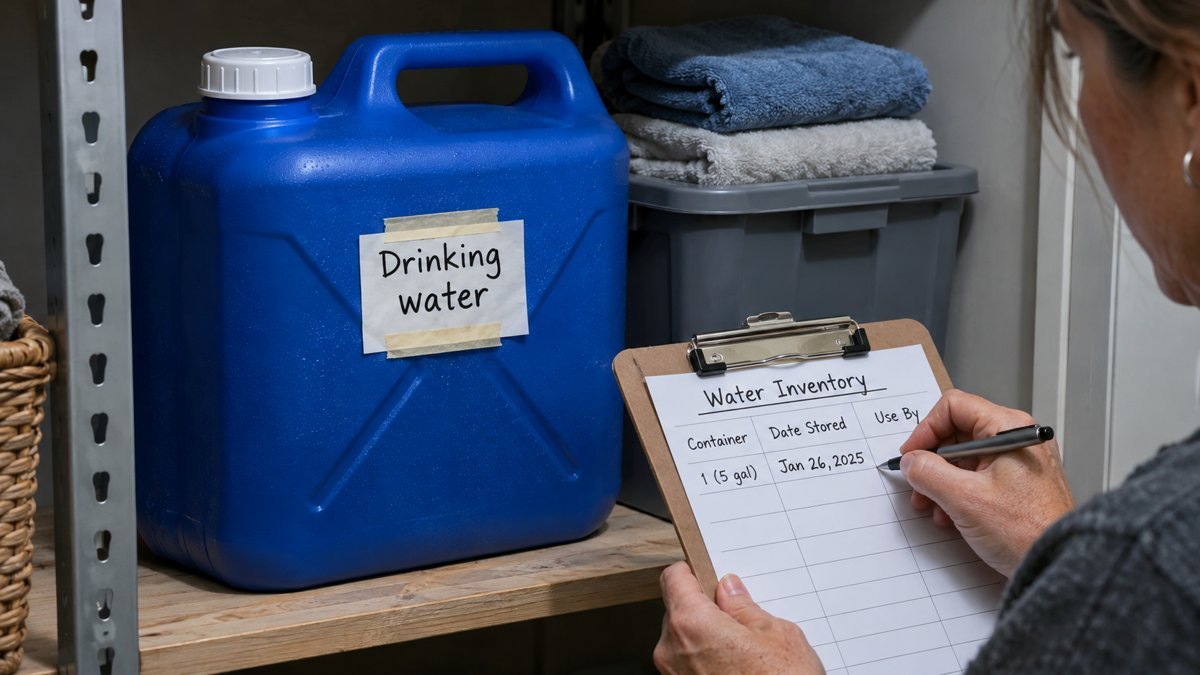
Check whether each direction is per serving or per pouch. Add up the water for the amount you’ll actually prepare and divide the cups by 16 to get U.S. gallons. If that leaves too little for drinking and hygiene, store more water or swap in meals you can eat as-is. The 72-hour emergency water guide walks through storage and planning.
Choose a preparation method you can use during an outage
Add water to the pouch
Many freeze-dried meals are designed for hot water and rehydrate in the pouch, which keeps cleanup simple. Check the directions for each recipe before assuming it can be made with cold water. Keep children away from hot water and have an adult handle heated pouches.
Cook in a pot
Boil-and-simmer kits need a pot, fuel, time, and cleanup water. Test a meal before you need the kit so you know how much fuel it takes and whether the pouch makes more than your household can eat. Use fuel-burning camp stoves outdoors, away from windows, doors, and vents. Keep them out of homes, garages, and campers because of carbon monoxide.
Keep a no-cook option
Stock shelf-stable foods you already eat, such as crackers, nut or seed butter, dried fruit, cereal bars, and tuna or chicken pouches. If you pack cans, include a manual opener. Our guide to canned foods for emergency storage covers selection and rotation. The DIY ration-pack guide shows how to build a portable no-cook option.
Build your three-day plan
- Count your people and choose a calorie target. Write down how much food you need for all three days. Compare the target with the total calories on the kit label.
- Fill the gap with pantry food. In the two-person example, add 7,200 calories across three days to meet the 12,000-calorie reference target. Use package labels and spread the extras across meals. Include foods everyone can open, prepare, and eat.
- Budget water and fuel. Add up drinking, prep, hygiene, cleanup, and pet needs. If your water or cooking setup falls short, replace some of the meals with no-cook food.
- Practice with one meal. Use the equipment you’d have in an outage and see what gets eaten. If you can’t refrigerate leftovers promptly, prepare only what you’ll eat. USDA guidance limits perishable food at room temperature to two hours, or one hour above 90°F.
- Label and rotate your supplies. Follow the manufacturer’s storage conditions and check best-by dates. A cool, dry indoor spot is a better place for long-term storage than a hot garage or trunk. Keep a smaller, regularly rotated supply of ready-to-eat food for the car or go-bag.
If a household member has an allergy or follows a special diet, check every pouch for ingredients, cross-contact statements, and relevant nutrition details. Make room for familiar foods, including the specialty foods or infant supplies your household already uses. Choose easy-open packages and familiar textures for anyone who needs them.
Frequently asked questions
How many calories should a three-day food supply contain?
At 2,000 calories a day, that’s 6,000 calories for one person or 12,000 for two. Adjust the planning figure for the people who’ll actually eat the food.
What should I compare when prices change?
Write down the exact variant, delivery price and date, total calories, prep water, and unopened storage claim. Divide the delivered price by total calories divided by 1,000 to compare cost per 1,000 calories. Also account for extra food, water, and fuel you’ll need.
What should I pack if the power and water both go out?
Start with ready-to-eat pantry foods, a manual opener if needed, and stored safe water. Include enough food you can serve without using any of the drinking water for meal prep.
Is three days enough?
Three days gives you a starting supply. If you can, build beyond it. The CDC suggests working toward two weeks of stored water, and you can gradually extend your food supply with pantry items you already use and rotate.